


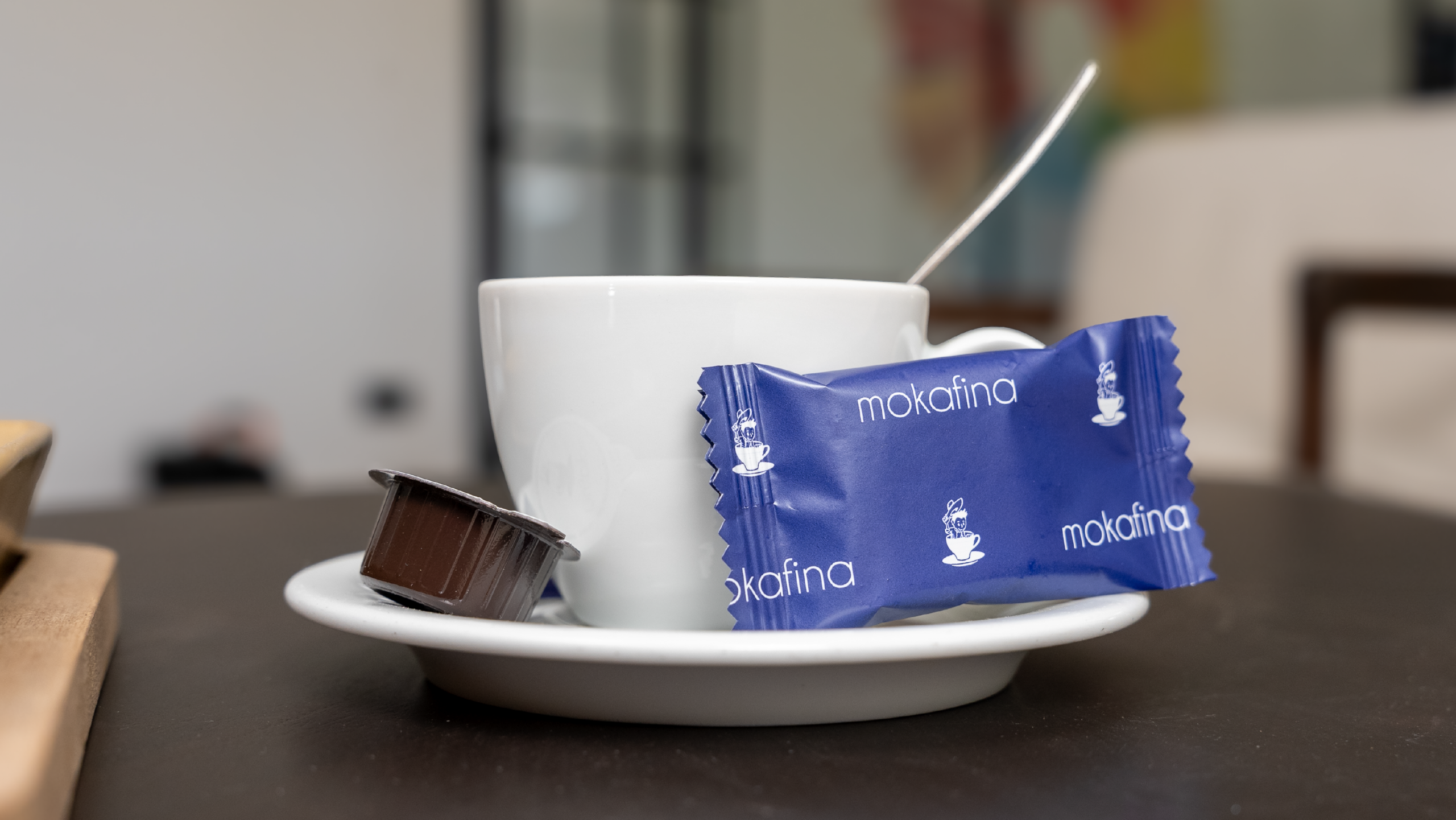
A customer eats at your restaurant; the food is great, and so is the service. And then the coffee arrives. Lukewarm, bitter, with a thin layer of crema that disappears after ten seconds. That’s what sticks in their mind.
In many businesses, coffee is the last thing a guest tastes. Yet it’s often chosen based on price, or simply because that’s always been the supplier. That’s a shame, because with a few thoughtful choices, you can get much more out of it—both for your customers and for your profit margin.
Start with your customers, not with the bean
There’s no such thing as the best coffee. But there is the best coffee for your business.
A brunch spot mainly serves cappuccinos and lattes. The coffee there needs to be strong enough to come through the milk. A restaurant mainly serves espresso after dessert. In that case, the aftertaste matters, as does whether the coffee complements what was just on the plate. A hotel breakfast? There, it needs to be quick, reliable, and tasty for everyone.
So start by looking at your sales data. What do you sell the most? With or without milk? At what time of day? That matters more than you think.
Blend or single origin?
Two terms you often hear—briefly explained.
A blend is a mixture of beans from different countries of origin. The roaster adjusts the blend so that the flavor is balanced and, importantly, remains consistent throughout the year. Blends are usually designed to pair well with milk.
A single-origin coffee comes from a single country, a single region, or sometimes even a single plantation. This coffee has a distinct character of its own: fruity, floral, or nutty, depending on where it comes from. But it also varies from harvest to harvest.
For most hospitality businesses, a good blend is the logical foundation. It’s consistent, forgiving, and delicious in any preparation. A single-origin coffee can be a nice addition—for example, as filter coffee, or as a rotating “coffee of the month” for guests who want to try something different.
What would you like to try?
The length of time a bean is roasted has a significant impact on its flavor.
Lighter-roasted coffee is fresher, with more acidity and fruity notes. Darker roasts offer more body (the “weight” of the coffee in your mouth) and notes of chocolate, caramel, and nuts. If you take it too far, it becomes bitter.
Many Belgian guests are used to a full-bodied, rounded coffee with a thick crema. You can’t go wrong with that. If you want to set your business apart with a lighter, more surprising coffee, you can do that, too. But do it intentionally, and let your guests know.
And then there’s the question of Arabica or Robusta. Arabica is milder and more aromatic. Robusta has more caffeine, more bitterness, and produces a thicker crema. So a little Robusta in an espresso blend isn’t a sign of lower quality. It adds a kick.
Your machine and your team are part of the process
Even the best beans won’t help you if your machine or grinder isn’t compatible. Every coffee requires a different grind size, and you need to adjust that to suit your machine. A good supplier will help you with this and will also follow up if the coffee tastes different a few weeks later.
Don’t forget about your team, either. A complex single-origin coffee that needs to be perfectly calibrated—that’s not so easy. A coffee that always turns out well, even when it’s busy, is often the better choice in practice.
You can read more about choosing the right machine for your business on our page about coffee machines.
Calculate per head, not per kilogram
A cheaper price per kilo seems appealing—until you do the math.
For an espresso, you typically use 7 to 8 grams of coffee. So, one kilogram yields about 130 cups. A difference of a few euros per kilogram amounts to just a few cents per cup. At a retail price of 3 euros or more, that’s practically nothing. Yet there is a difference in taste, and your guests will notice it.
Try it before you decide
Never choose a coffee based on a description alone. Taste them. Preferably on your own machine, with your own milk, and have your team and a few regular customers taste them too. Taste them black and with milk. You’ll quickly figure out which coffee is right for your business.
Coffee That Fits Your Business
Mokafina has been roasting coffee in Wijnegem since 1955 for hospitality businesses of all sizes. We start by taking a look at your business, your guests, and your coffee machine, and then work with you to find the coffee that’s the best fit. If you’d like to take it a step further, we can also offer private-label coffee under your own name.
Wondering which coffee is right for your business? Contact us.

